The Step-by-Step Process of Professional Concrete Cutting
People searching for concrete cutting often want precise, safe, and efficient removal or modification of concrete, and local contractors can expertly handle each step of the process.
Understanding the step-by-step process of professional concrete cutting can help property owners make informed decisions about their projects. Whether planning to install new utilities, create openings for doors or windows, or modify existing structures, knowing what’s involved ensures the work is done efficiently and accurately. Property owners in the area often explore this topic to better grasp how experienced service providers handle complex cutting tasks, which can be crucial for avoiding costly mistakes and ensuring safety during renovations or construction.
Local contractors who specialize in concrete cutting bring expertise to every stage of the process, from planning to execution. They use specialized tools and techniques to deliver precise cuts that meet specific project needs, minimizing damage to surrounding materials. By understanding the general steps involved, property owners can better appreciate the value of professional services and feel confident in choosing skilled providers for their concrete cutting needs. Keep reading to learn more about how these experts approach their work and help bring construction projects to life.
- Sidewalk and Driveway Cuts - when property owners need to create access points or repair existing concrete surfaces, local contractors utilize precise cutting techniques to ensure clean results.
- Foundation Modifications - for structural adjustments or repairs, local service providers follow a careful step-by-step process to cut through concrete without compromising stability.
- Concrete Demolition - when removing old or damaged concrete structures, local pros employ specialized tools to systematically cut and break down the material safely.
- Utility and Pipe Openings - for installing pipes or electrical conduits, local contractors use professional cutting methods to create accurate openings in concrete surfaces.
- Floor and Slab Cutting - during renovations or expansions, local pros perform controlled cuts on floors and slabs, following a detailed process to ensure precision and minimal damage.
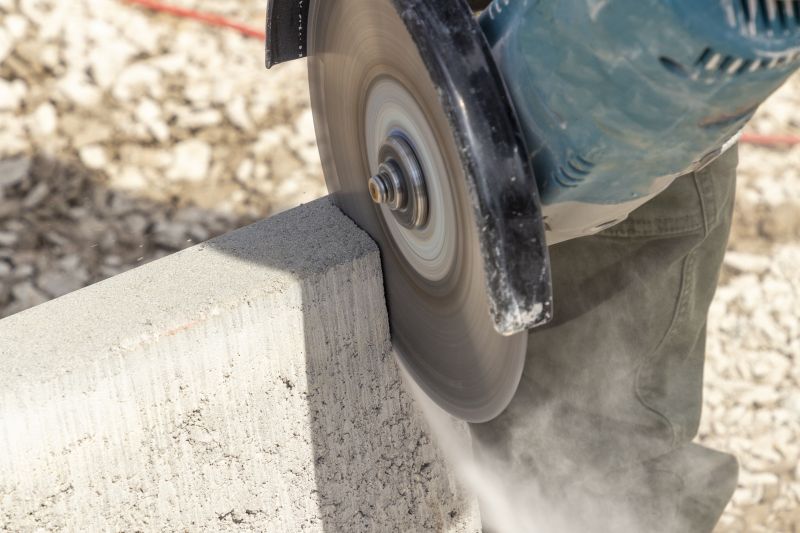
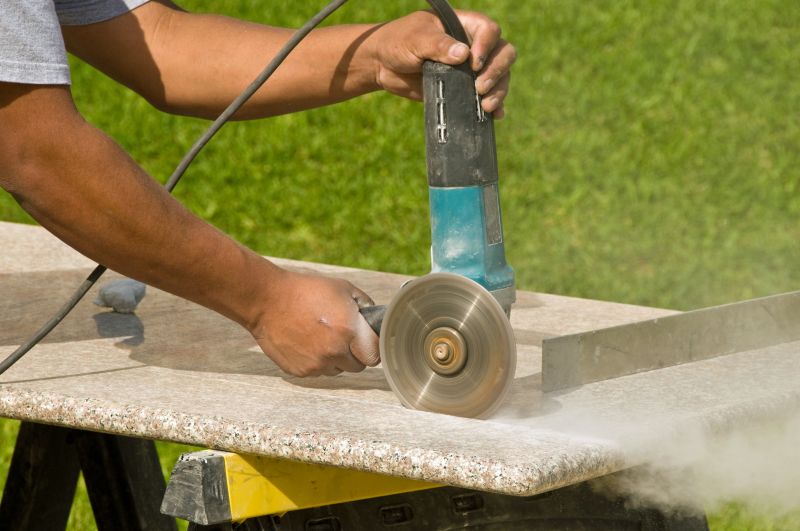
When people search for the step-by-step process of professional concrete cutting, they are often looking to understand how large or precise modifications are made to existing concrete structures. This might involve creating openings for doors, windows, or utilities, or removing sections of concrete for renovations. Homeowners and property managers want to know that the work is done efficiently and accurately, especially when it impacts the safety and functionality of their property. Understanding the process helps them gauge what to expect and how experienced service providers handle complex tasks that require specialized equipment and techniques.
Concrete cutting projects are commonly related to planning renovations, remodeling, or building additions. For example, installing new plumbing or electrical lines often requires precise cuts in concrete slabs or walls. In other cases, property owners might need to remove damaged or outdated sections of concrete to improve safety or aesthetics. These projects can involve different types of properties, including residential homes, commercial buildings, parking lots, or industrial facilities. Each property type presents unique challenges, such as varying thicknesses, reinforcement materials, or access limitations, which local concrete cutting professionals are trained to address.
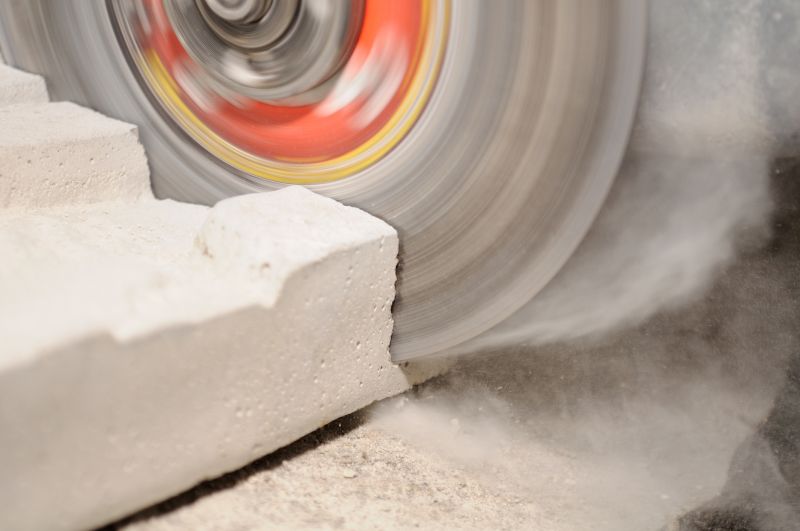
The process of professional concrete cutting typically begins with a detailed assessment of the property and the specific project requirements. Service providers usually measure and mark the areas to be cut, ensuring accuracy and minimal disruption to surrounding structures. They then select the appropriate cutting method-such as wet or dry cutting, wall sawing, or wire sawing-based on the thickness and location of the concrete. The actual cutting involves specialized equipment that can handle reinforced concrete and produce clean, precise cuts. Throughout the process, safety precautions are followed to protect both workers and property, and dust or debris are managed to reduce mess and hazards.
After completing the cuts, the work often involves cleanup and finishing touches, such as smoothing edges or preparing the surface for further work. The entire process relies heavily on skilled operators who understand the intricacies of different concrete types and cutting techniques. Local service providers bring the necessary expertise and equipment to ensure the job is done correctly, efficiently, and safely. For homeowners planning renovations or property managers overseeing upgrades, understanding this process helps clarify how professional concrete cutting fits into larger project plans and why partnering with experienced local contractors is essential for achieving quality results.
Flooring Removal Projects - Professional concrete cutting skills are essential for removing old concrete slabs to prepare for new flooring installations or renovations.
Foundation Penetration and Repair - Local contractors use precise cutting techniques to create openings or access points in concrete foundations for repairs or utility installations.
Concrete Wall Modifications - Altering or removing sections of concrete walls requires specialized cutting tools and planning to ensure structural integrity.
Driveway and Sidewalk Expansion - Extending or modifying concrete driveways and sidewalks involves careful cutting to create clean, accurate expansion joints or openings.
Industrial Flooring Projects - Large-scale concrete cutting is often needed for installing machinery, electrical conduits, or drainage systems in industrial settings.
Custom Concrete Features - Creating decorative elements like custom inlays or embedded designs involves detailed cutting and planning processes handled by skilled service providers.
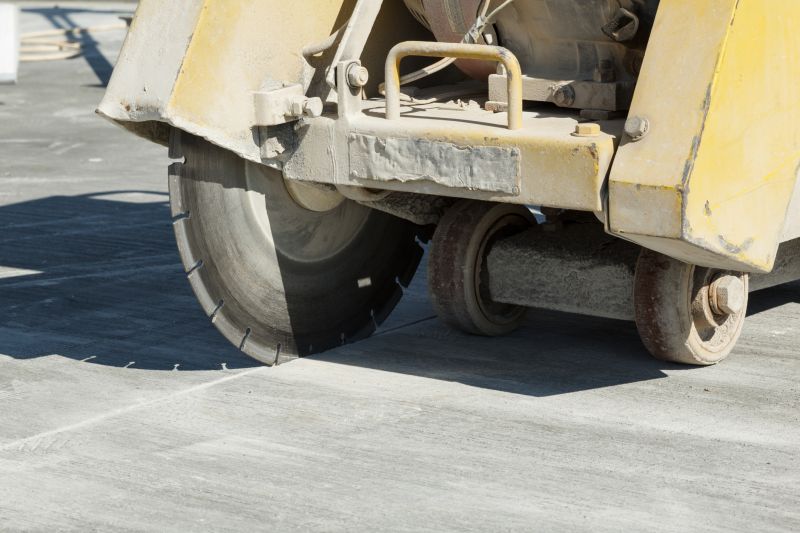
When evaluating service providers for concrete cutting, it is essential to consider their experience with similar projects. Contractors who have a proven track record working on projects comparable in scope and complexity can often demonstrate their familiarity with the specific techniques and challenges involved in the step-by-step process of professional concrete cutting. Asking for details about their past work or seeking references can provide insight into their ability to handle the unique requirements of your project, ensuring that the job will be approached with competence and understanding.
Clear written expectations are a vital component when comparing local contractors. A reputable service provider should be able to outline the scope of work, the materials and tools they plan to use, and the steps involved in the concrete cutting process. This transparency helps prevent misunderstandings and ensures that both parties are aligned on what will be delivered. When reviewing proposals or estimates, it’s beneficial to look for detailed descriptions that clarify what is included and what might be outside the scope, providing a solid foundation for informed decision-making.
Reputable references and effective communication are key indicators of a contractor’s reliability and professionalism. Service providers who can furnish references from previous clients demonstrate confidence in their work and a history of satisfactory projects. Good communication throughout the process-such as responsiveness to questions and clarity about procedures-can significantly influence the overall experience. Engaging with contractors who prioritize clear, open dialogue can help ensure that expectations are managed properly and that any concerns are addressed promptly, leading to a smoother and more successful concrete cutting project.
Property owners often search for the step-by-step process of professional concrete cutting when they are planning practical projects around their homes and businesses. Local pros provide Concrete Cutting services for everyday jobs and straightforward project options.
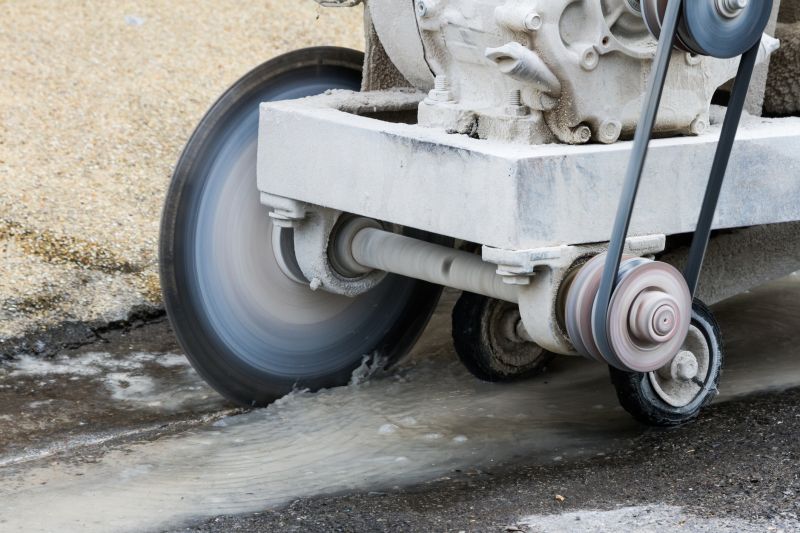
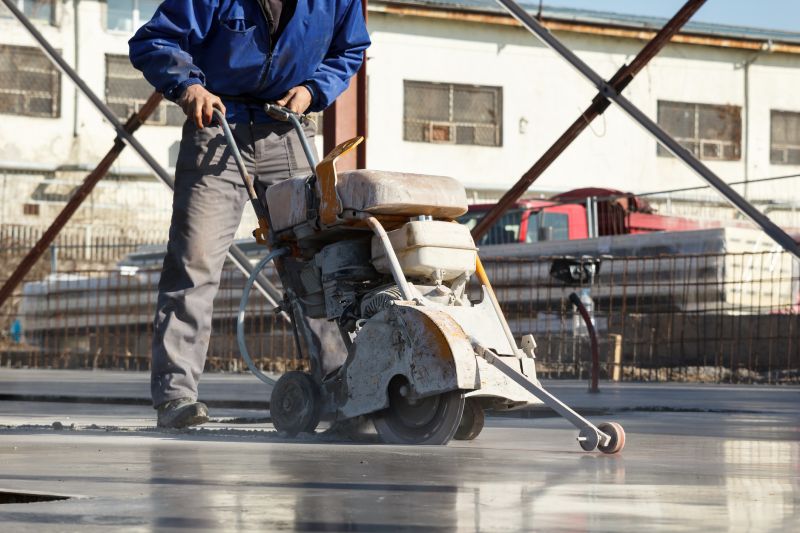
The step-by-step process of professional concrete cutting is often sought after by property owners planning renovations, expansions, or repairs around their homes or commercial spaces. Whether installing new doorways, creating openings for windows, or removing sections of existing concrete, understanding how the job is done can help property owners feel more confident in hiring local contractors. These service providers use specialized equipment and techniques to ensure precise cuts that minimize damage to surrounding areas, making the process efficient and clean. Knowing what to expect during this process can also help property owners prepare for the project and coordinate other aspects of their renovation plans.
Many property owners turn to local concrete cutting specialists when they need to modify existing structures or prepare surfaces for new installations. Common situations include removing concrete slabs for plumbing or electrical work, creating access points for driveways, or adjusting foundation elements. These professionals follow a systematic approach that involves careful planning, marking, and executing cuts with precision tools. Relying on experienced local contractors ensures that the work is done safely and accurately, reducing the risk of costly mistakes and ensuring the finished result meets project requirements.
What is the typical process of professional concrete cutting? The process usually involves assessing the concrete, planning the cut, marking the area, and then using specialized tools like saws or drills to make precise cuts, all handled by experienced service providers.
How do local contractors ensure accurate cuts during the process? They rely on detailed measurements, proper equipment, and experience to ensure cuts are precise and meet project specifications throughout the concrete cutting process.
What safety measures are followed during professional concrete cutting? Service providers typically use safety gear, follow proper procedures, and utilize equipment designed to minimize dust and vibration, ensuring a safe working environment.
What types of tools are used in the step-by-step process of concrete cutting? Common tools include walk-behind saws, handheld saws, and core drills, which are selected based on the type of cut and the concrete's thickness.
How do local service providers prepare the site for concrete cutting? They assess the area for obstacles, mark the cutting lines accurately, and set up protective measures to ensure a smooth and safe process for the concrete cutting project.
Assessing the project area - Property owners can work with local contractors to evaluate the concrete surface and determine the best cutting method for their specific project.
Selecting the right tools and equipment - Local service providers can recommend appropriate saws and blades based on the thickness and type of concrete involved.
Executing precise cuts - The step-by-step process of professional concrete cutting involves careful planning and skillful operation to ensure accurate results.
Final finishing and cleanup - After cutting, local pros can handle smoothing edges and removing debris to prepare the area for its next use.
If you are thinking about the step-by-step process of professional concrete cutting for a property, this guide is meant to help you understand this topic, the typical project types, and how different options might fit your plans.
When you are ready, you can use the quote form on this page to share a few details about your project. From there, local pros can review the basics and follow up with options that match what you have in mind.